
Meta Launches Muse Voice Across the US, Bringing Real-Time AI Avatar Calls to Mobile, Web, and Mac
TL;DR
-
Meta has expanded Muse Voice to all users in the United States, enabling real-time voice calls and video-style conversations with its consumer AI agent, Muse.
-
The feature uses Muse Realtime Avatar and Muse Realtime Voice technologies to power animated digital characters that respond during conversations.
-
Users can customize their AI avatars to resemble people, animals, or fictional characters, with expressions and gestures that adapt to the conversation.
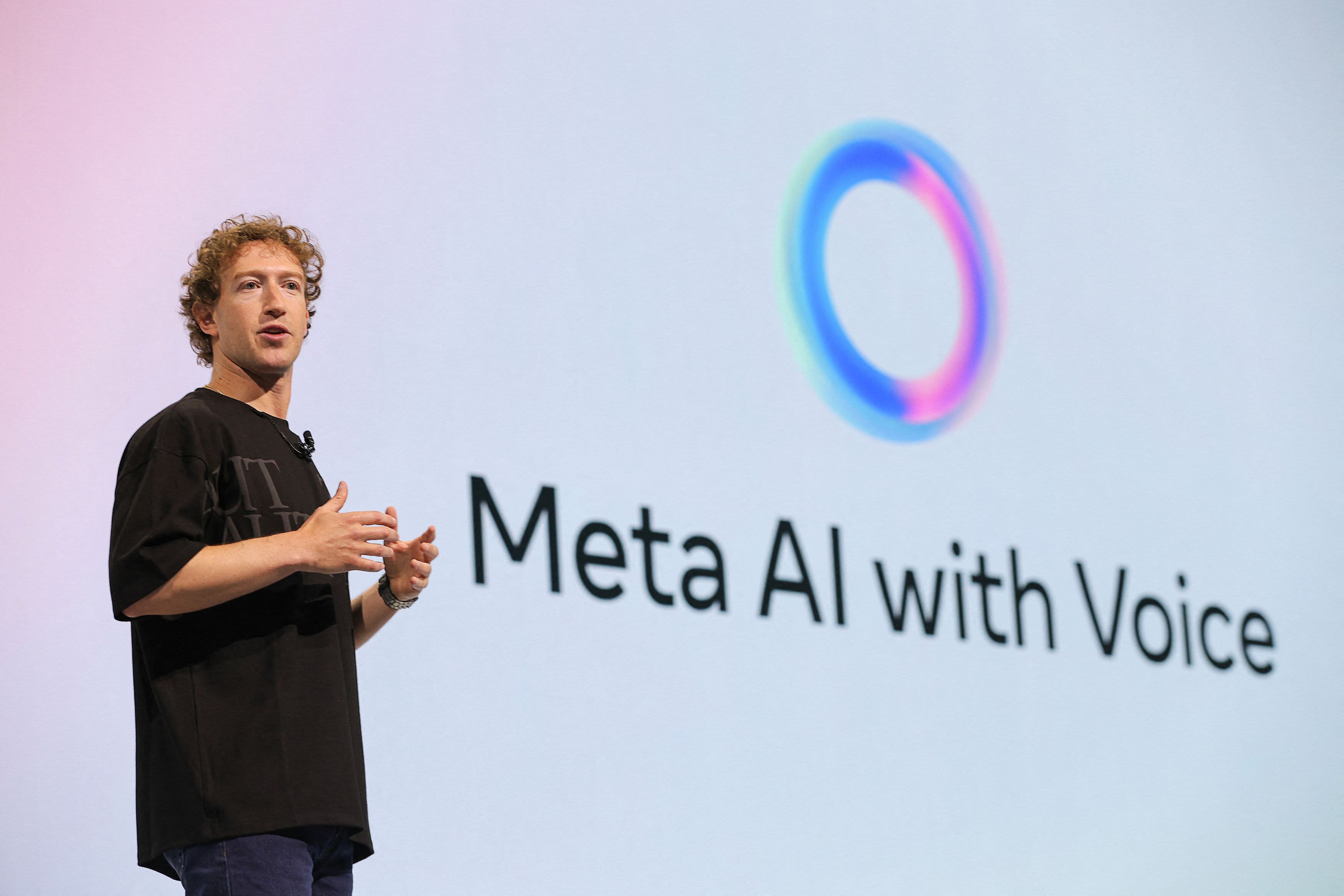
Meta has rolled out Muse Voice to all users in the United States, introducing real-time conversations with customizable AI avatars across mobile devices, web browsers, and Mac computers.
The feature allows users to speak directly with Muse, Meta's consumer AI agent, while interacting with an animated character that responds through speech, facial expressions, and gestures.
First unveiled during Meta's Connect developer conference in September, Muse Voice represents the company's effort to make AI interactions feel more personal and engaging than conventional text-based conversations.
The experience is powered by two technologies, Muse Realtime Avatar and Muse Realtime Voice, which work together to generate the digital character's speech and animated responses.
Meta is also preparing to bring the technology to wearable devices, including its AI Glasses and the upcoming Muse Charm.
Meta Expands Muse Voice to All US Users
Meta announced the nationwide availability of Muse Voice on Thursday, following its introduction at the company's Connect conference in September.
The feature enables users to communicate with Muse through real-time spoken conversations while watching an animated avatar respond.
Unlike traditional AI chat interfaces, where users type questions and receive written answers, Muse Voice emphasizes direct verbal interaction.
Users can ask questions, hold conversations, and request assistance with supported tasks.
The agent responds through speech while its digital character moves and reacts in ways intended to match the interaction.
Meta's chief AI officer, Alexandr Wang, also announced the rollout on X, sharing a demonstration of the technology.
The expansion makes the experience available across supported mobile, web, and Mac platforms in the United States.
Meta has not provided a timeline for availability in other countries.
Muse Realtime Avatar and Voice Power Interactive AI Characters
Muse Voice relies on two AI technologies designed to coordinate speech generation with animated character behavior.
Muse Realtime Voice handles the conversational audio experience, allowing users to speak with the agent and receive spoken responses.
Muse Realtime Avatar provides the visual component, animating a digital character as the conversation unfolds.
Together, these systems create an experience that resembles a video conversation with an animated character rather than a conventional voice-only assistant.
Meta says the avatar can produce subtle facial expressions and gestures that correspond with the tone of the conversation.
For example, the character may appear more expressive during a playful exchange or adopt a different demeanor during a serious discussion.
The objective is to make the interaction feel responsive and natural.
However, the avatar's behavior should not be confused with human perception or emotional understanding.
The system generates responses based on the conversation and its underlying AI capabilities.
It does not experience emotions simply because its animated character displays them.
Users Can Customize Muse Avatars Into People, Animals, and Characters
One of Muse Voice's defining features is its customizable digital avatar.
Meta initially introduced an animated character nicknamed Jolly, but users are not restricted to that appearance.
They can personalize their avatar to resemble a person, animal, or another character.
This flexibility gives Muse a different visual identity from AI assistants that primarily rely on text or voice interfaces.
For some users, a playful animated character may make casual conversations more enjoyable.
Others may prefer an avatar with a more human-like appearance.
Meta appears to be betting that these choices will help users develop a stronger sense of familiarity with their AI assistant.
The company believes that giving AI agents recognizable characters could encourage more frequent and sustained interaction.
This strategy reflects a broader interest in making consumer AI products feel less like traditional software tools and more like interactive digital companions.
However, a visually engaging avatar does not necessarily make the underlying AI more accurate or capable.
Its primary contribution is to the presentation and conversational experience.
Muse Does Not Actually See Users During Video Conversations
Although Meta describes the feature as supporting video-style conversations, Muse Voice differs from a conventional video call.
The AI agent does not visually observe the person speaking to it.
Instead, Muse listens to the user's voice and generates spoken and animated responses based on the conversation.
Its avatar may react with gestures or expressions, but those reactions are not based on watching the user's facial movements through a camera.
This distinction is important because the presence of an animated character could create the impression that both participants are visually observing one another.
In reality, the interaction is primarily voice-driven, with AI-generated visuals representing the agent.
The experience is therefore closer to a conversational voice assistant with an animated interface than a two-way video call between people.
Meta's approach allows users to interact with a visible character without requiring the agent to interpret a live video feed of the user.
Alexandr Wang Demonstrates Muse Voice With a Virtual Dog
Meta chief AI officer Alexandr Wang demonstrated Muse Voice in a video shared on X.
In the demonstration, Wang interacted with an avatar resembling a fluffy white dog.
The exchange focused on his habit of sharing memes on X and the possibility that some posts might create problems with his employer.
Wang jokingly suggested that his enthusiasm for posting memes could have gotten him into trouble with his boss.
The AI dog responded by suggesting that he add disclaimers to potentially controversial memes to avoid giving the impression that Meta endorsed their content.
The playful exchange highlighted the conversational personality Meta wants Muse to deliver.
Rather than demonstrating a complex professional workflow, the video emphasized casual interaction, humor, and the avatar's ability to participate in an informal conversation.
The example also illustrated how Meta is using character design to distinguish Muse from competing AI assistants.
However, the demonstration alone does not establish how reliably the agent handles more demanding tasks or extended conversations.
Meta Prepares Muse Charm Wearable for Launch Before Year-End
The Muse Voice rollout comes ahead of Meta's planned introduction of a dedicated wearable device for the AI agent.
Known as Muse Charm, the upcoming hardware has been described as resembling a Tamagotchi-style digital companion.
The device will feature a small screen displaying the user's AI avatar.
Users will be able to speak with the character, receive responses, and request supported actions through the wearable.
The concept extends Muse beyond smartphones and computers, creating a dedicated physical interface for interacting with the agent.
Meta expects to introduce the device before the end of 2026.
The company also plans to bring real-time Muse conversations to its AI Glasses.
These additions would expand the range of environments in which users can interact with the assistant.
Instead of opening an application on a phone or computer, users could potentially access Muse through wearable hardware.
Meta has not yet provided complete details about Muse Charm's pricing, specifications, or availability.
Meta Bets on AI Avatars to Differentiate Muse From Competing Assistants
Voice interaction has become an increasingly common feature among consumer AI assistants.
Several competing platforms already allow users to hold spoken conversations with AI systems, reducing the need to type prompts.
Meta's approach introduces a more prominent visual identity through animated, customizable characters.
The company appears to believe that combining conversational AI with expressive avatars could make its assistant more appealing for everyday use.
The strategy also creates opportunities to extend the same AI identity across different devices.
A user could interact with Muse on a computer, continue using it on a smartphone, and eventually access the same character through wearable hardware.
That consistency could become an important part of Meta's consumer AI ecosystem.
Nevertheless, the long-term appeal of animated agents will depend on more than appearance.
Users will still expect accurate responses, reliable task execution, and a conversational experience that remains useful beyond initial novelty.
The technology's effectiveness across different environments will also become clearer as Meta expands its rollout.
Muse Voice Marks Another Step in Meta's Consumer AI Expansion
The US-wide launch of Muse Voice demonstrates Meta's growing emphasis on conversational AI experiences built around animated digital characters.
By combining real-time speech with customizable avatars, the company is attempting to make interactions with its AI agent more engaging and accessible.
The technology also establishes a foundation for upcoming hardware products, particularly Muse Charm and Meta's AI Glasses.
For now, Muse Voice is available on supported mobile, web, and Mac platforms in the United States.
The next major test will be whether consumers continue using these animated assistants after the novelty fades and whether Meta can translate the experience into practical everyday assistance.
With wearable integration planned, Meta is positioning Muse as an AI agent that users can interact with across multiple devices rather than through a single chatbot interface.
Nikolas Sargeant
Comments
You must be logged in to post a comment.
No comments yet
Be the first to share your thoughts!
Related News
AI News This Week: Big Moves, Big Legal Battles, and Europe’s Struggles to Keep Up
Elon Musk’s xAI sues Apple and OpenAIIn a dramatic escalation, Elon Musk’s AI venture, xAI, filed a lawsuit in a Texas federal court last...

Sweden Launches First AI Music Training Licence to Protect Songwriters
TL;DR Sweden has launched an AI music licence to protect songwriters. The model will also guarantee royalties for songwriters and composers. Sw...

Volkswagen Commits €1 Billion to AI by 2030 to Boost Efficiency and Cut Costs
TL;DR German car giant Volkswagen has committed a billion euros to AI development by the end of the decade. The investment will help to integrate...